
There has always been pressure to teach children to read early, and I felt it too. When my eldest was young, I remember watching an infomercial for a program that claimed babies could already learn to read even before they reached one year old. I was completely sold and asked my husband if we could buy it. He gave me that look and said, “Just because a child can, doesn’t mean he should.”
Okay. Okay.
To be fair, this was my first child. I was a young mom. I had not yet spent years reading about child development or education. I didn’t really understand what “developmentally appropriate” meant, or what a two-year-old actually needed.
And we were living in Silicon Valley, surrounded by brilliant, high-achieving families. There was always someone whose child seemed to be doing something astonishingly early.
The pressure was real.
More than fifteen years and four children later, I am grateful that my husband stopped me—and that I, surprisingly, listened to him 🙂
We never bought the program.
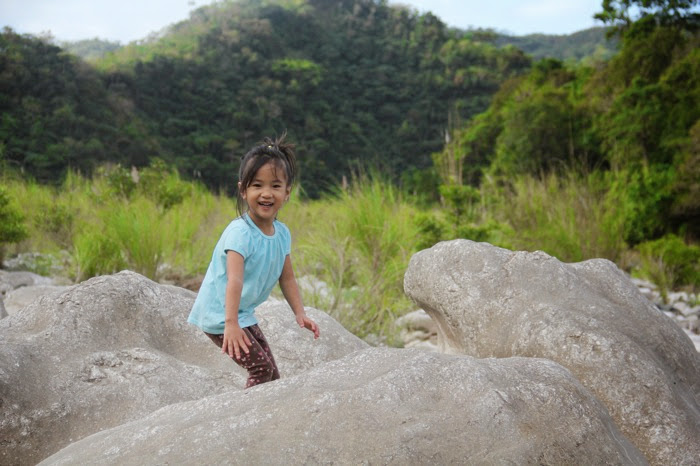
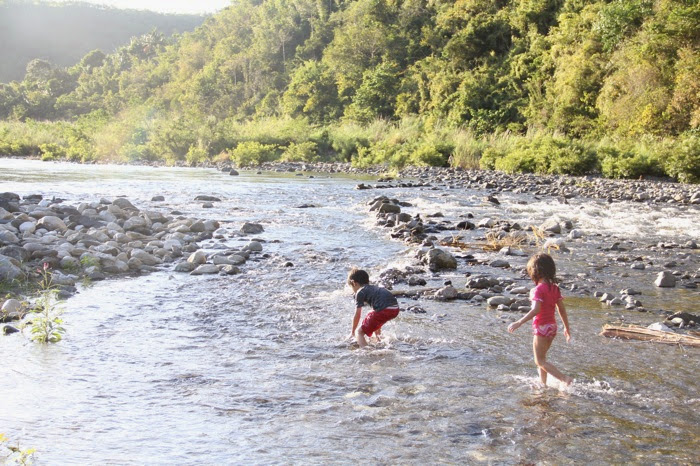
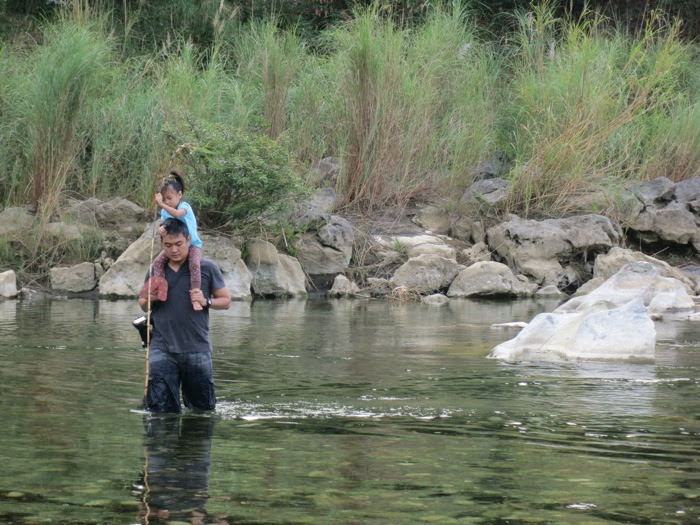
Instead of spending those early years drilling flashcards, we spent most of our days doing things that felt much less impressive. We went outdoors, sang nursery rhymes, read poetry and picture books, cooked together, looked at insects and leaves, and spent long hours outside. The children ran, climbed, played, and asked endless questions. I read aloud to them and stayed near as they explored the world. (I actually did not buy a single “educational” tool. All we had were blocks and legos.)
At the time, I thought I was just giving them a time and space to enjoy their childhood w/o pressure. Now that I am studying language and literacy more formally, I realize something else was happening too: they were preparing to read.
Reading Begins Earlier Than We Think
One of the things I enjoy about studying education at this stage of my life is encountering theories that give me language for things I have already observed as a homeschool mother. I’ve encountered studies, theories, and research that made me think, “Ah, so that’s what was happening.”
I had one of those moments while reading Natividad Hermosa’s The Psychology of Reading. The book introduces reading from a socio-historical perspective and reminds us that long before human beings had written symbols, they were already interpreting the world around them. They read the weather, animal tracks, seasons, light, and patterns in nature. In a sense, human beings were reading the world before they were reading words.
That idea just stuck and somehow confirmed what I have learned to believe in: that it need not be complicated for the early years. It made me think about what our children were doing all day long when they were younger. They were looking. Touching. Smelling. Listening. Tasting. Comparing. Remembering. Wondering. They were constantly gathering meaning.
And apparently, according to educational research/journals, meaning matters A LOT long before print appears.
None of these moments looked like a formal reading lesson, but so much was happening. The child was observing, making connections, asking questions, attaching language to experience, and building knowledge. In literacy terms, these experiences become part of what later supports comprehension. In Charlotte Mason terms, I think we simply call it living fully as a child.
Before the ABCs, There Is Meaning
When parents think about preparing a child to read, our minds naturally go to letters. We begin asking whether she knows the alphabet, whether she can match letters to sounds, or whether it is time to start phonics.
These things do matter. In fact, my literacy studies have made me appreciate explicit reading instruction even more. Children need to learn sounds, letters, phonological awareness, and phonics. But there is something that comes before—and continues to surround—all of that.
It is Meaning.
Think of a child seeing a butterfly. She watches it move from flower to flower, and someone says, “Look, a butterfly.” Later she sees one in a picture book, hears a story about one, notices another outside, and begins using the word herself. Eventually she encounters the printed word butterfly.
The letters may be new, but the idea is not. There is already a whole network of meaning waiting for that word. In reality, printed word does not enter an empty mind. It enters a mind that knows or has “seen” the relationships with this particular word.
Why Charlotte Mason’s Early Years Feel So Spacious
Looking back, there were many things we did that I never thought of as “reading preparation.” Nature walks, art, music, cooking, Bible stories, fairy tales, nursery rhymes, poetry, play, and conversations around the table were just our day-to-day ordinary rhythm.
But those ordinary days were building language, knowledge, attention, memory, curiosity, and imagination. Maybe this is one reason Charlotte Mason’s approach to the early years feels so spacious. There is time outdoors, time for stories and songs, time to observe, time to play, and time to encounter the real world before everything becomes an exercise about the world.
After more than fifteen years of homeschooling, I can confidently say that this sort of spaciousness is not a lack of rigor (I was often asked, “that’s all you and your children do all day?!)
I see it as foundational.
Mason begins with the idea that children are born persons. Their intellectual lives do not begin when formal schooling begins. They are already noticing, wondering, remembering, and forming relationships with the world around them. We do not need to rush childhood in order for education to begin. It has already begun.
This Is Not an Argument Against Phonics
A rich childhood will not magically teach a child to decode. We still need to teach the written code well. Children need to learn letters and sounds, develop phonological awareness, and receive clear, systematic phonics instruction.
But maybe we make reading lessons carry too much of the burden. We worry so much about whether a child can read the word tree that we forget the value of letting him spend time under one. We teach the word bird from a page while giving little time to sit and simply watch one. We drill vocabulary when language can also grow through stories, poems, conversation, and ordinary life.
I realize that preparation for reading is much more than the reading lesson itself.
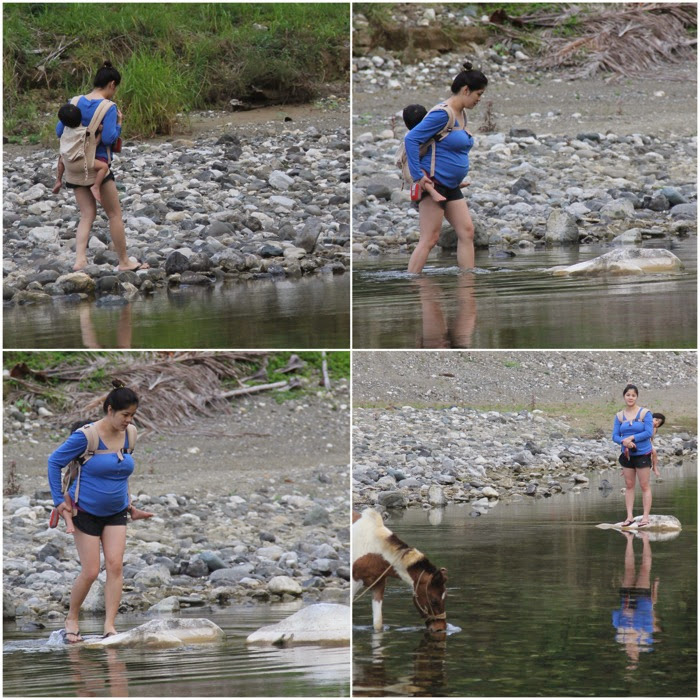
If You Are Just Beginning to Homeschool
If you have a preschooler or young child and feel pressure to “start school,” keep the early years simple. Read aloud a good story. Spend generous time outdoors. Sing nursery rhymes and songs. Read poetry. Tell fairy tales and family stories. Let your child help cook, garden, set the table, visit the palengke, and talk with grandparents.
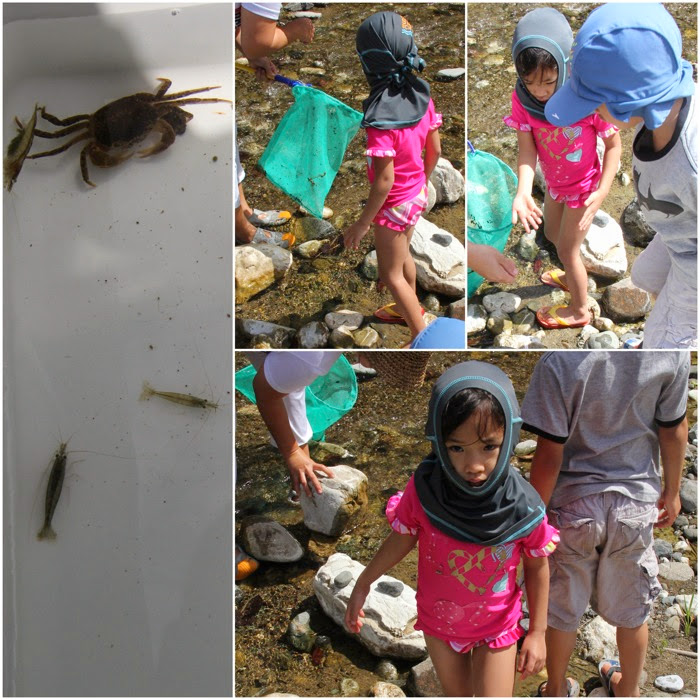
Follow your child’s attention sometimes. Look at the snail. Look what’s under a rock with them. Watch the clouds. Answer the questions—or wonder together when you do not know the answers. Read good/living books, make art or appreciate art together, listen to music, and make play a part of day-to-day. Let them enjoy their childhood without them thinking that every experience needs a worksheet afterward.
And when it is time for formal reading instruction, teach phonics clearly and consistently, but keep lessons short. Ten attentive minutes with a young child can often be more fruitful than a long lesson pushed past the point of attention.
Most of all, do not underestimate ordinary life. You are not “doing nothing” when you read another story on the couch or walk slowly because your child found an interesting insect.
After all these years, this is one of the gifts Charlotte Mason has given me: permission to respect the life of the young child as it is, while trusting where it is going. Yes, we will teach them to read the words eventually. But first let us give them space to “see” a world worth reading about.
0 Comments